MON COMPTE | NEWSLETTER |

Gabapentine : Utilisation clinique et pharmacocinétique chez le chien, le chat et le cheval
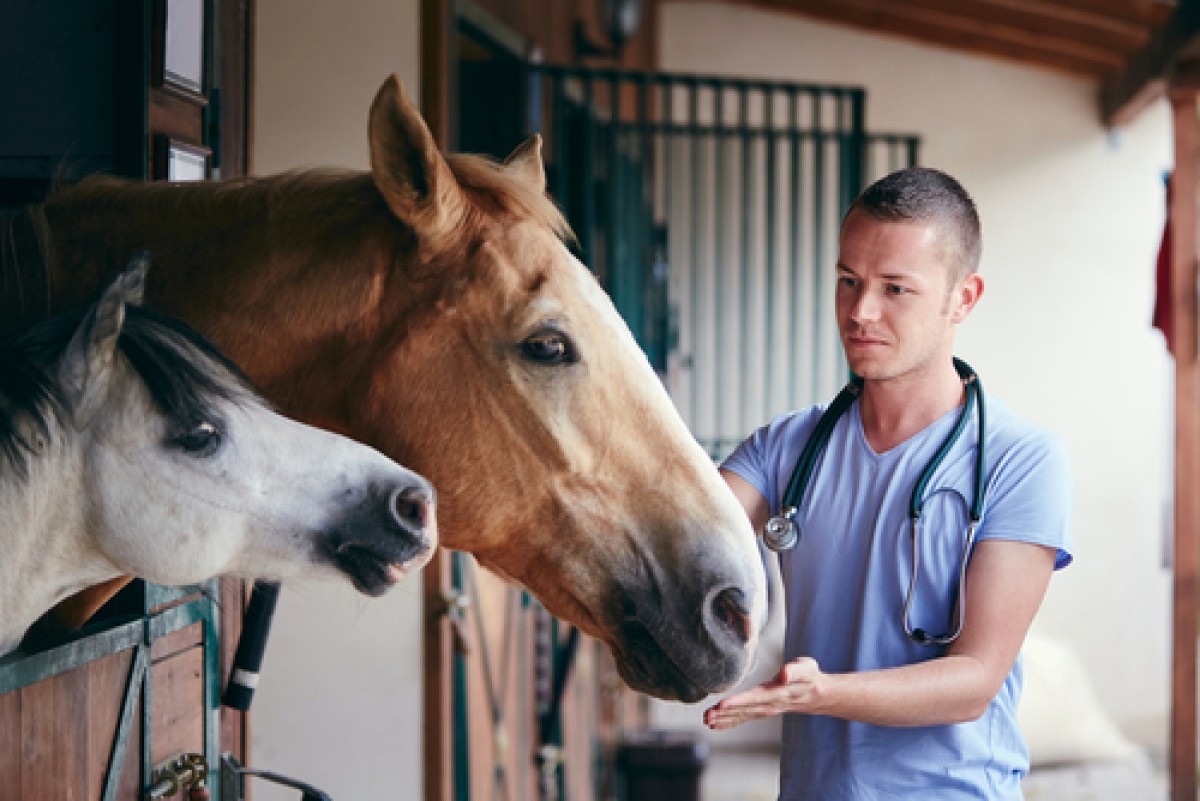

La gabapentine est un médicament anticonvulsivant dont l’efficacité clinique a été établie chez l’homme dans le traitement des crises d’épilepsie partielle réfractaires, des crises tonico-cloniques secondaires généralisées, et dans la lutte contre les douleurs neuropathiques chroniques. La gabapentine a été synthétisée comme analogue structurel du neurotransmetteur inhibiteur GABA. Elle exerce donc des effets GABA-mimétiques et peut traverser la barrière hémato-encéphalique. En médecine vétérinaire, elle est utilisée hors indication en association avec d’autres traitements pour contrôler les crises d’épilepsie lorsque les autres médicaments ne sont plus efficaces ou deviennent toxiques. Elle est également utilisée dans le traitement des douleurs neuropathiques et de l’anxiété.

Cette revue a eu pour objectif de clarifier l’utilisation de la gabapentine et d’en décrire les aspects pharmacocinétiques, afin d’encourager la prescription raisonnée chez le chien, le chat et le cheval. Chez le chien, la gabapentine a eu des effets positifs dans le traitement de l’épilepsie et des douleurs chroniques, neuropathiques et postopératoires. Elle a également aidé à réduire l’anxiété. Chez le chat, elle s’est avérée efficace dans le contrôle des douleurs post-ovario-hystérectomie et de l’anxiété. Chez le cheval, la gabapentine a été administrée comme analgésique pour soulager les douleurs chroniques.

En conclusion, la gabapentine, lorsqu’elle est utilisée en association avec d’autres médicaments, peut être considérée comme une option thérapeutique intéressante dans le traitement des neuropathies, mais également comme analgésique dans le traitement des douleurs chroniques et postopératoires.

https://www.veterinary33.com/equine/latest-news/1802/gabapentin-clinical-use-and-pharmacokinetics-in-dogs-cats-and-horses.html

J’aime1
Je n’aime pas0
  • Merci pour votre commentaire


Name *
Email address *
Comment *


* Required fields

Information on the processing of your personal data
We inform you that, in compliance with the provisions of current national and European regulations for the Protection of Personal Data and Services of the Information Society and Electronic Commerce, by sending us this form you are expressly giving your consent to Grupo Asís Biomedia , SL, (hereinafter, "ASIS GROUP") so that, as the person in charge, it may process your personal data in order to respond to your request for contact and information by electronic means.

Likewise, when you expressly consent, we will process your personal data to send you specialized information, newsletters, offers and exclusive promotions from GRUPO ASIS and related companies.

For the aforementioned purpose, GRUPO ASIS may transfer your data to other companies linked to GRUPO ASIS or to third party service providers for the management of electronic communications and other security services, even in cases where they are outside of the European Union, provided that they legally guarantee the adequate level of protection required by European regulations.

At any time you can withdraw the consent given and exercise the rights of access, rectification, deletion, portability of your data and limitation or opposition to its treatment by contacting GRUPO ASIS by sending an email to protecciondatos @ grupoasis.com, or by written communication to address at Centro Empresarial El Trovador, 8th floor, office I, Plaza Antonio Beltrán Martínez 1, 50002, Zaragoza (Spain), indicating in either case the Ref. Personal data and the right you exercise, as well as attaching a copy of your ID or replacement identification document.


I have read and accept the treatment of my data according to the informed purpose and according Legal notes and the Privacy Policy
I wish to receive commercial information from GRUPO ASIS and related companies


Plus d’actualités

Produits botaniques : une approche naturelle pour lutter contre l’ascaridiose chez les volailles

J’aime0
Je n’aime pas0

La Dicrocoeliose des ruminants : une maladie parasitaire peu connue due aux douves

J’aime0
Je n’aime pas0

Impact à long terme de la maladie invasive à méningocoque chez les enfants : protocole de l’étude SEINE

J’aime0
Je n’aime pas0

Carcinome canalaire in situ chez le chien et le chat : une revue comparative

J’aime0
Je n’aime pas0

Caractérisation échographique des anomalies iléo-cæco-coliques chez le chat

J’aime0
Je n’aime pas0

Newsletter


À ne pas manquer

ÉVÉNEMENTS