MON COMPTE | NEWSLETTER |

Produits botaniques : une approche naturelle pour lutter contre l’ascaridiose chez les volailles


Produits botaniques : une approche naturelle pour lutter contre l’ascaridiose chez les volailles
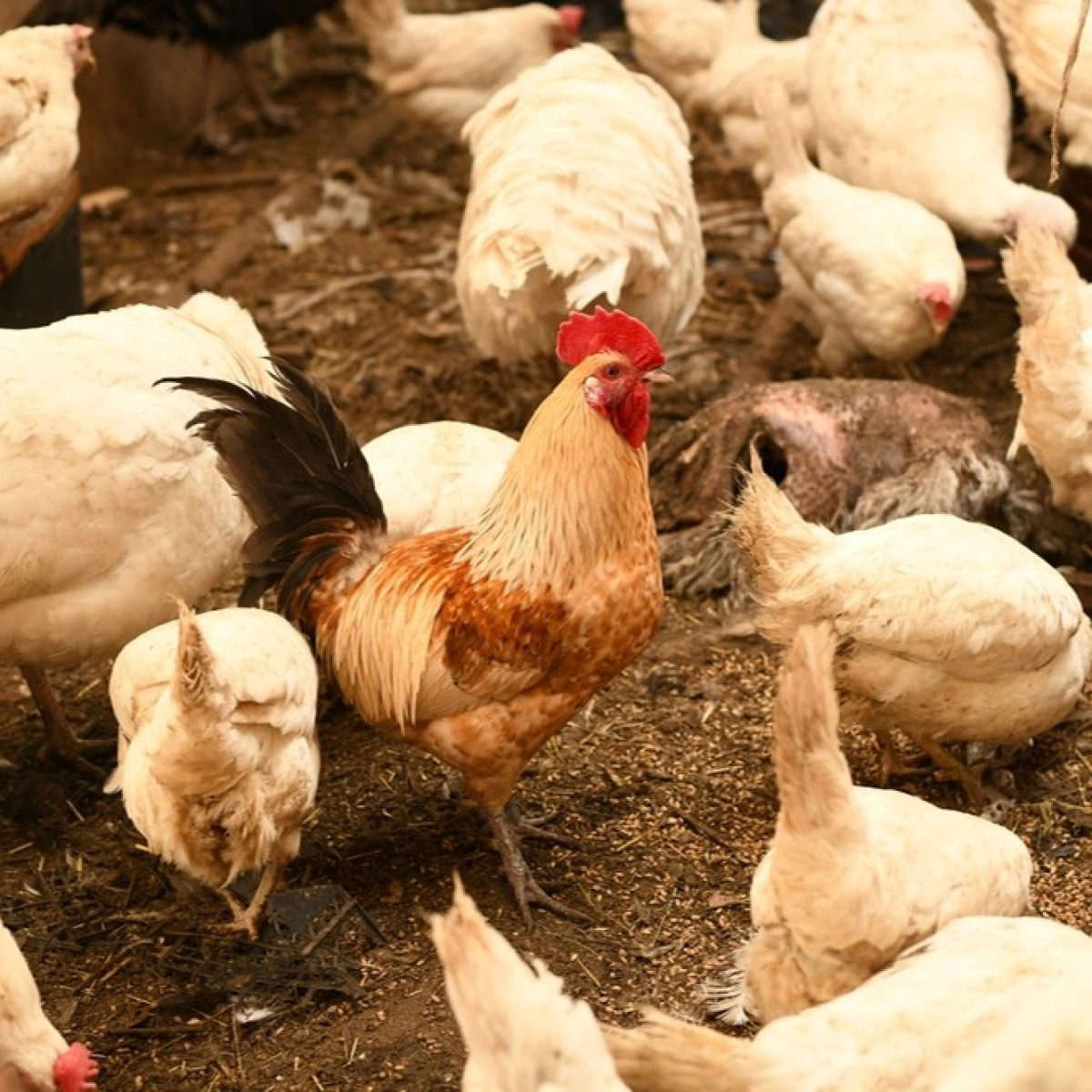

Les parasites (protozoaires, helminthes, arthropodes) représentent une menace majeure pour les volailles dans le monde entier. Parmi les helminthes, les nématodes constituent le groupe de parasites le plus important chez les volailles.


Le nématode Ascaridiose Ascaridia galli, responsable de l’ascaridiose chez les volailles, est l’un des parasites les plus importants et les plus répandus. Il entraîne de graves pertes économiques liées au coût des traitements, à la diminution de l’efficacité alimentaire ainsi qu’à la faible production d’œufs et de viande.


Au cours des dernières décennies, l’utilisation excessive et indiscriminée des médicaments anthelminthiques a provoqué plusieurs cas de résistance chez les helminthes des volailles. Cette situation est aggravée par la présence de résidus de ces médicaments dans les produits avicoles.


Pour cette raison, l’attention se porte aujourd’hui sur l’utilisation de produits botaniques dans l’alimentation des volailles, en raison de leurs propriétés anthelminthiques. De plus, l’utilisation alimentaire écologique de ces substances d’origine végétale, comparée aux médicaments anthelminthiques synthétiques conventionnels, est considérée par les consommateurs comme une approche naturelle et respectueuse de l’environnement.


La présente revue a pour objectif de récapituler les études, à la fois in vivo et in vitro, ayant démontré l’efficacité anthelminthique de divers produits botaniques alimentaires dans la lutte contre l’ascaridiose aviaire.

Auteurs: I. SYMEONIDOU, E. BONOS, HAO-DEMETER, K. MOUSTAKIDIS, P. FLOROU-PANERI, E. CHRISTAKI, M. PAPAZAHARIADOU
Source: https://ejournals.epublishing.ekt.gr/

J’aime0
Je n’aime pas0
  • Merci pour votre commentaire


Name *
Email address *
Comment *


* Required fields

Information on the processing of your personal data
We inform you that, in compliance with the provisions of current national and European regulations for the Protection of Personal Data and Services of the Information Society and Electronic Commerce, by sending us this form you are expressly giving your consent to Grupo Asís Biomedia , SL, (hereinafter, "ASIS GROUP") so that, as the person in charge, it may process your personal data in order to respond to your request for contact and information by electronic means.

Likewise, when you expressly consent, we will process your personal data to send you specialized information, newsletters, offers and exclusive promotions from GRUPO ASIS and related companies.

For the aforementioned purpose, GRUPO ASIS may transfer your data to other companies linked to GRUPO ASIS or to third party service providers for the management of electronic communications and other security services, even in cases where they are outside of the European Union, provided that they legally guarantee the adequate level of protection required by European regulations.

At any time you can withdraw the consent given and exercise the rights of access, rectification, deletion, portability of your data and limitation or opposition to its treatment by contacting GRUPO ASIS by sending an email to protecciondatos @ grupoasis.com, or by written communication to address at Centro Empresarial El Trovador, 8th floor, office I, Plaza Antonio Beltrán Martínez 1, 50002, Zaragoza (Spain), indicating in either case the Ref. Personal data and the right you exercise, as well as attaching a copy of your ID or replacement identification document.


I have read and accept the treatment of my data according to the informed purpose and according Legal notes and the Privacy Policy
I wish to receive commercial information from GRUPO ASIS and related companies


Plus d’actualités

Stabilisation des fractures du sacrum chez le chien et le chat

J’aime0
Je n’aime pas0

Evaluation d'un nouveau dosage sensible de l'hormone thyréostimulante comme test diagnostique des maladies thyroïdiennes chez le chat

J’aime0
Je n’aime pas0

Grippe aviaire A (H5N1) - Australie

J’aime0
Je n’aime pas0

Newsletter


À ne pas manquer

ÉVÉNEMENTS