MON COMPTE | NEWSLETTER |

Causes et distribution des boiteries chez les bovins laitiers et de boucherie
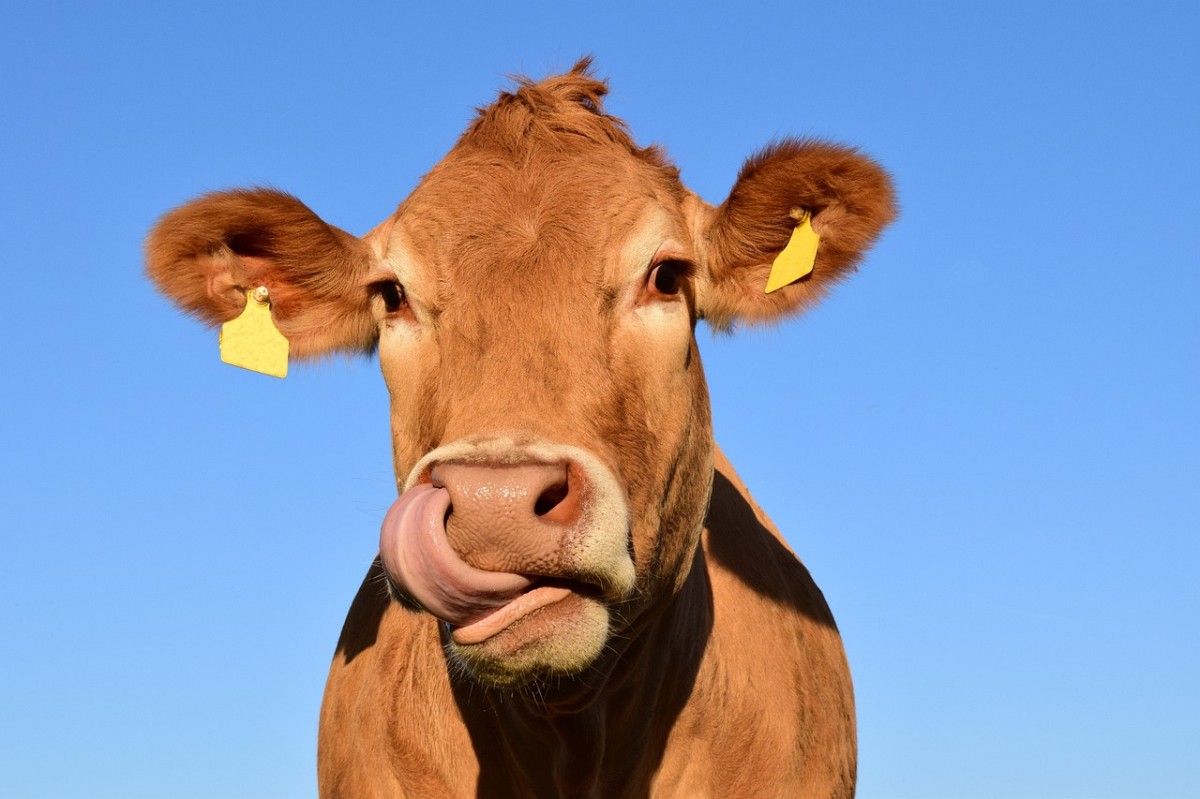

 L’objectif de cette étude a été de décrire les causes et la distribution des boiteries chez les bovins (laitiers et de boucherie) qui ont été examinés soit par un service de soins primaires ambulatoire, soit par un service clinique interne d’un hôpital d’enseignement vétérinaire.

Cette étude rétrospective de cas cliniques a examiné les admissions de différents bovins traités par des cliniciens internes ou ambulatoires dans un hôpital d’enseignement vétérinaire entre 2001 et 2021.

Le diagnostic final a été enregistré, ainsi que, lorsque les données étaient disponibles, le membre affecté, la présence ou non d’une lésion au niveau du sabot et l’onglon touché.

Les données ont été stratifiées selon le lieu de l’évaluation initiale (ambulatoire ou hôpital), la période de présentation, la classe de production, l’âge, le sexe, mais également si le diagnostic final était infectieux ou non.

Au total, 2 200 animaux ont répondu aux critères d’inclusion dans l’étude. Les diagnostics les plus fréquents étaient de nature non infectieuse et concernaient plus souvent un membre postérieur qu’un membre antérieur. Plus de 82 % de tous les bovins présentaient une boiterie localisée au niveau du sabot, l’onglon externe étant touché dans plus de 80 % des cas.

En conclusion, les boiteries chez le bovin constituent une préoccupation importante, aussi bien du point de vue humain qu’économique. Les résultats de cette étude contribueront à diagnostiquer et prévenir les boiteries chez les bovins de boucherie et laitiers, quels que soient leur âge ou leur classe de production.

Traduit de l'anglais, FENSTER Lindsey L., et al., "Retrospective evaluation of the causes and distribution of lameness in beef and dairy cattle evaluated by ambulatory and in-house clinical services at a North American veterinary teaching hospital", AVMA, Volume 261, 21 avril 2023.

J’aime0
Je n’aime pas0
  • Merci pour votre commentaire


Name *
Email address *
Comment *


* Required fields

Information on the processing of your personal data
We inform you that, in compliance with the provisions of current national and European regulations for the Protection of Personal Data and Services of the Information Society and Electronic Commerce, by sending us this form you are expressly giving your consent to Grupo Asís Biomedia , SL, (hereinafter, "ASIS GROUP") so that, as the person in charge, it may process your personal data in order to respond to your request for contact and information by electronic means.

Likewise, when you expressly consent, we will process your personal data to send you specialized information, newsletters, offers and exclusive promotions from GRUPO ASIS and related companies.

For the aforementioned purpose, GRUPO ASIS may transfer your data to other companies linked to GRUPO ASIS or to third party service providers for the management of electronic communications and other security services, even in cases where they are outside of the European Union, provided that they legally guarantee the adequate level of protection required by European regulations.

At any time you can withdraw the consent given and exercise the rights of access, rectification, deletion, portability of your data and limitation or opposition to its treatment by contacting GRUPO ASIS by sending an email to protecciondatos @ grupoasis.com, or by written communication to address at Centro Empresarial El Trovador, 8th floor, office I, Plaza Antonio Beltrán Martínez 1, 50002, Zaragoza (Spain), indicating in either case the Ref. Personal data and the right you exercise, as well as attaching a copy of your ID or replacement identification document.


I have read and accept the treatment of my data according to the informed purpose and according Legal notes and the Privacy Policy
I wish to receive commercial information from GRUPO ASIS and related companies


Plus d’actualités

Stabilisation des fractures du sacrum chez le chien et le chat

J’aime0
Je n’aime pas0

Evaluation d'un nouveau dosage sensible de l'hormone thyréostimulante comme test diagnostique des maladies thyroïdiennes chez le chat

J’aime0
Je n’aime pas0

Grippe aviaire A (H5N1) - Australie

J’aime0
Je n’aime pas0

Newsletter


À ne pas manquer

ÉVÉNEMENTS