MON COMPTE | NEWSLETTER |

Caractérisation échographique des anomalies iléo-cæco-coliques chez le chat

Caractérisation échographique des anomalies iléo-cæco-coliques chez le chat

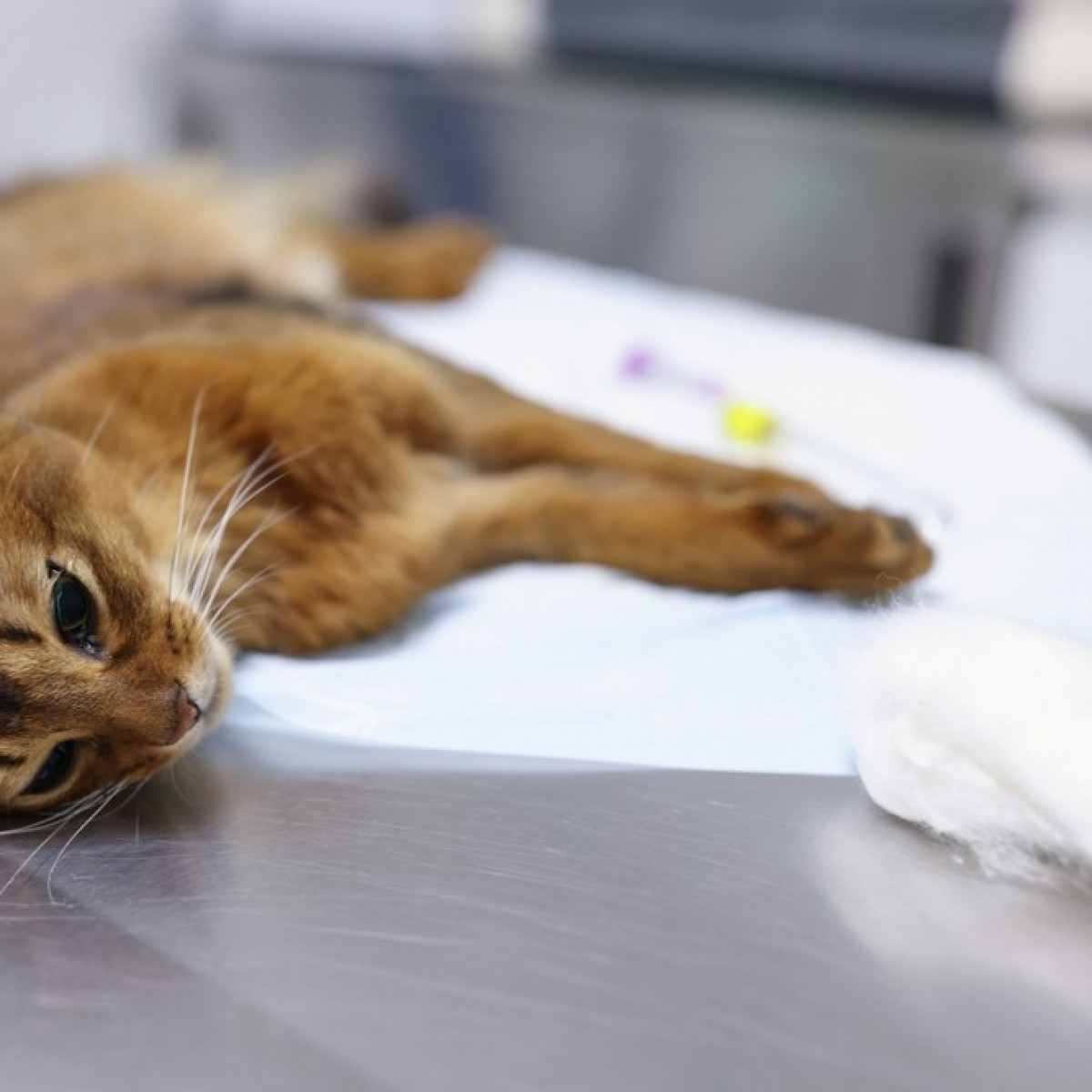
Les signes cliniques de 29 chats présentant des anomalies échographiques au niveau de la jonction iléo-cæco-colique ont été examinés. Vingt-huit chats présentaient des signes gastro-intestinaux, les plus fréquents étant des vomissements et des diarrhées aiguës.

Dix-huit des 29 chats présentaient une augmentation de la taille des ganglions lymphatiques cæcaux. Une infiltration hyperechogène localisée de la graisse mésentérique a été observée chez 18 chats sur 29, et une légère accumulation de liquide localisée a été notée chez 7 chats sur 29.

Six chats présentaient un cæcum arrondi, et huit avaient un contenu cæcal visible. La paroi du cæcum était épaissie chez 19 chats, et la paroi de l’iléon était légèrement épaissie chez 6 chats.

Trois chats présentaient des modifications touchant le côlon ascendant adjacent à la jonction iléo-cæco-colique. Quatorze chats ne présentaient aucune anomalie échographique du reste du tractus gastro-intestinal, et 13 de ces 14 chats étaient néanmoins symptomatiques de troubles gastro-intestinaux.

Chez quatre chats, la disparition des anomalies échographiques était associée à une résolution des signes cliniques.

Ces résultats suggèrent que les anomalies échographiques au niveau de la jonction iléo-cæco-colique chez le chat sont cliniquement significatives et sont observées chez des chats présentant des vomissements ou des diarrhées aiguës.

Les ponctions à l’aiguille fine et les biopsies de cette région présentent un faible rendement diagnostique. En l’absence d’autres anomalies gastro-intestinales, un suivi échographique est donc recommandé.

Auteurs : OLIVIER TAEYMANS, NATALEE HOLT, DOMINIQUE G. PENNINCK, CYNTHIA R. WEBSTER
Source : https://onlinelibrary.wiley.com/

J’aime0
Je n’aime pas0
  • Merci pour votre commentaire


Name *
Email address *
Comment *


* Required fields

Information on the processing of your personal data
We inform you that, in compliance with the provisions of current national and European regulations for the Protection of Personal Data and Services of the Information Society and Electronic Commerce, by sending us this form you are expressly giving your consent to Grupo Asís Biomedia , SL, (hereinafter, "ASIS GROUP") so that, as the person in charge, it may process your personal data in order to respond to your request for contact and information by electronic means.

Likewise, when you expressly consent, we will process your personal data to send you specialized information, newsletters, offers and exclusive promotions from GRUPO ASIS and related companies.

For the aforementioned purpose, GRUPO ASIS may transfer your data to other companies linked to GRUPO ASIS or to third party service providers for the management of electronic communications and other security services, even in cases where they are outside of the European Union, provided that they legally guarantee the adequate level of protection required by European regulations.

At any time you can withdraw the consent given and exercise the rights of access, rectification, deletion, portability of your data and limitation or opposition to its treatment by contacting GRUPO ASIS by sending an email to protecciondatos @ grupoasis.com, or by written communication to address at Centro Empresarial El Trovador, 8th floor, office I, Plaza Antonio Beltrán Martínez 1, 50002, Zaragoza (Spain), indicating in either case the Ref. Personal data and the right you exercise, as well as attaching a copy of your ID or replacement identification document.


I have read and accept the treatment of my data according to the informed purpose and according Legal notes and the Privacy Policy
I wish to receive commercial information from GRUPO ASIS and related companies


Plus d’actualités

Produits botaniques : une approche naturelle pour lutter contre l’ascaridiose chez les volailles

J’aime0
Je n’aime pas0

La Dicrocoeliose des ruminants : une maladie parasitaire peu connue due aux douves

J’aime0
Je n’aime pas0

Impact à long terme de la maladie invasive à méningocoque chez les enfants : protocole de l’étude SEINE

J’aime0
Je n’aime pas0

Carcinome canalaire in situ chez le chien et le chat : une revue comparative

J’aime0
Je n’aime pas0

Stabilisation des fractures du sacrum chez le chien et le chat

J’aime0
Je n’aime pas0

Newsletter


À ne pas manquer

ÉVÉNEMENTS