MON COMPTE | NEWSLETTER |

Usage thérapeutique des antifibrinolytiques chez le chat
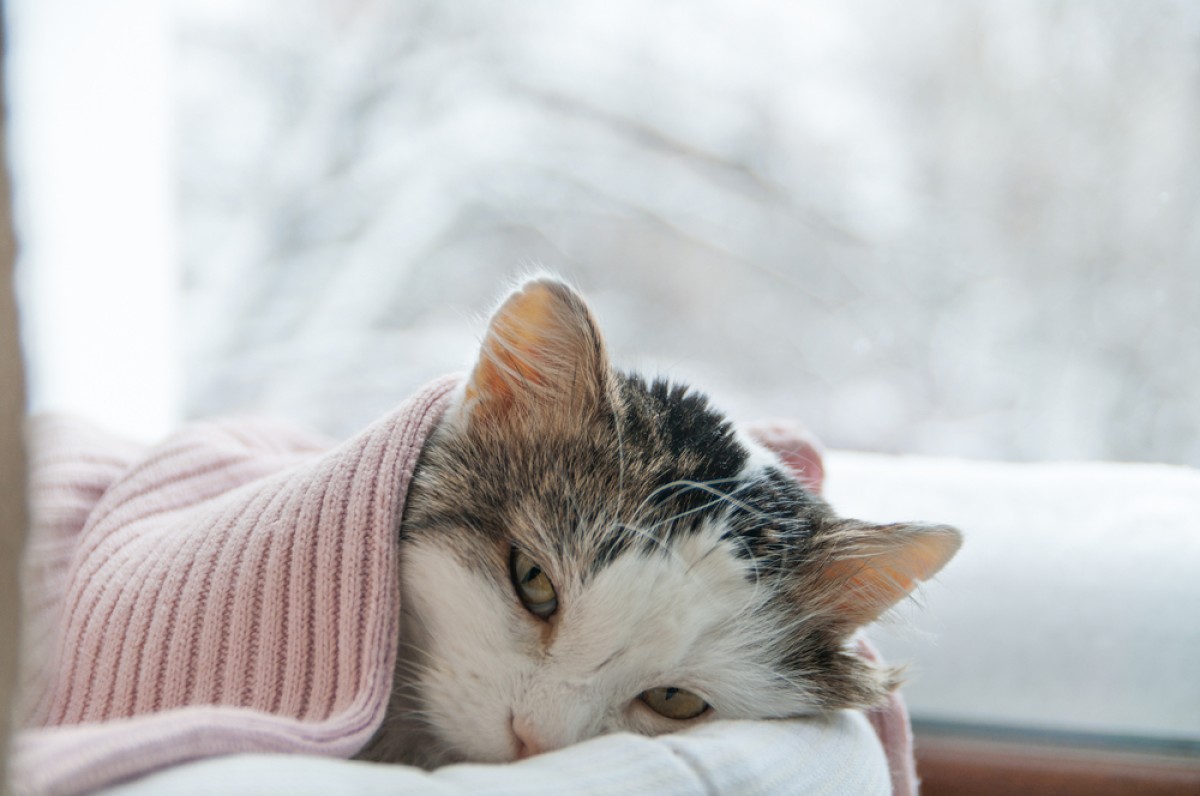

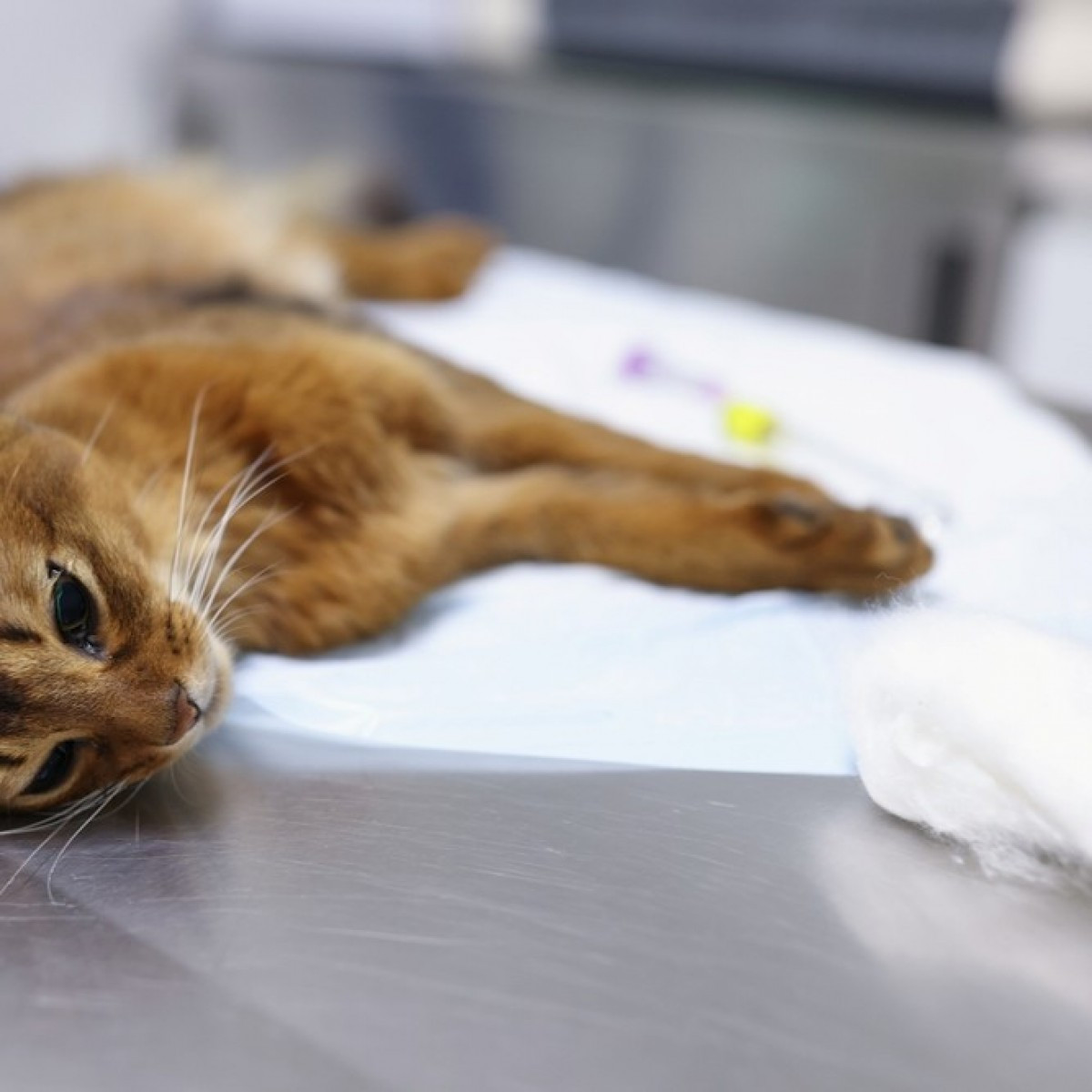
Les données restent limitées sur l’utilisation de l’acide tranexamique (ATX) et de l’acide epsilon-aminocaproïque (AEAC) chez le chat. L’objectif de cette étude était d’évaluer les indications thérapeutiques de ces deux médicaments chez le chat et d’en décrire les schémas posologiques, la survenue d’effets indésirables, et les résultats chez les patients. Il s’agissait d’une étude rétrospective multicentrique.

Des bases de données médicales de patients félins traités avec de l’acide tranexamique et de l’acide epsilon-aminocaproïque entre 2015 et 2021 ont été explorées.

Trente-cinq chats ont rempli le critère d’inclusion : 86 % ont reçu de l’acide tranexamique, et 14 % de l’acide epsilon-aminocaproïque. L’indication la plus fréquente a été une hémorragie non traumatique (54 %), suivie d’une hémorragie traumatique (17 %) et d’une chirurgie non urgente (11 %). La posologie moyenne a été de 10 mg/kg pour l’acide tranexamique et de 50 mg/kg pour l’acide epsilon-aminocaproïque. D’une manière générale, 52 % des chats avaient survécu à la sortie d’hospitalisation. Des effets indésirables potentiels ont été identifiés chez 20 % (7/35) des patients. Parmi ceux-ci, 29 % avaient survécu à la fin de l’hospitalisation. Aucun schéma posologique standardisé n’a été identifié : la posologie, l’intervalle posologique, et la durée de l’administration ont fortement varié entre les patients.

En conclusion, l’administration a été associée à des effets indésirables potentiels sévères, bien que le schéma rétrospectif ait rendu difficile d’établir une relation de cause à effet avec l’utilisation des antifibrinolytiques. Cette étude fournit une base à de futures études prospectives, en donnant un certain nombre d’informations sur l’utilisation des antifibrinolytiques chez le chat.

https://www.veterinary33.com/companion-animals/latest-news/1863/therapeutic-use-of-antifibrinolytics-in-cats.html

J’aime0
Je n’aime pas0
  • Merci pour votre commentaire


Name *
Email address *
Comment *


* Required fields

Information on the processing of your personal data
We inform you that, in compliance with the provisions of current national and European regulations for the Protection of Personal Data and Services of the Information Society and Electronic Commerce, by sending us this form you are expressly giving your consent to Grupo Asís Biomedia , SL, (hereinafter, "ASIS GROUP") so that, as the person in charge, it may process your personal data in order to respond to your request for contact and information by electronic means.

Likewise, when you expressly consent, we will process your personal data to send you specialized information, newsletters, offers and exclusive promotions from GRUPO ASIS and related companies.

For the aforementioned purpose, GRUPO ASIS may transfer your data to other companies linked to GRUPO ASIS or to third party service providers for the management of electronic communications and other security services, even in cases where they are outside of the European Union, provided that they legally guarantee the adequate level of protection required by European regulations.

At any time you can withdraw the consent given and exercise the rights of access, rectification, deletion, portability of your data and limitation or opposition to its treatment by contacting GRUPO ASIS by sending an email to protecciondatos @ grupoasis.com, or by written communication to address at Centro Empresarial El Trovador, 8th floor, office I, Plaza Antonio Beltrán Martínez 1, 50002, Zaragoza (Spain), indicating in either case the Ref. Personal data and the right you exercise, as well as attaching a copy of your ID or replacement identification document.


I have read and accept the treatment of my data according to the informed purpose and according Legal notes and the Privacy Policy
I wish to receive commercial information from GRUPO ASIS and related companies


Plus d’actualités

Stabilisation des fractures du sacrum chez le chien et le chat

J’aime0
Je n’aime pas0

Evaluation d'un nouveau dosage sensible de l'hormone thyréostimulante comme test diagnostique des maladies thyroïdiennes chez le chat

J’aime0
Je n’aime pas0

Grippe aviaire A (H5N1) - Australie

J’aime0
Je n’aime pas0

Newsletter


À ne pas manquer

ÉVÉNEMENTS