MON COMPTE | NEWSLETTER |

Effets de l’exposition à la température ambiante sur le métabolome fécal félin
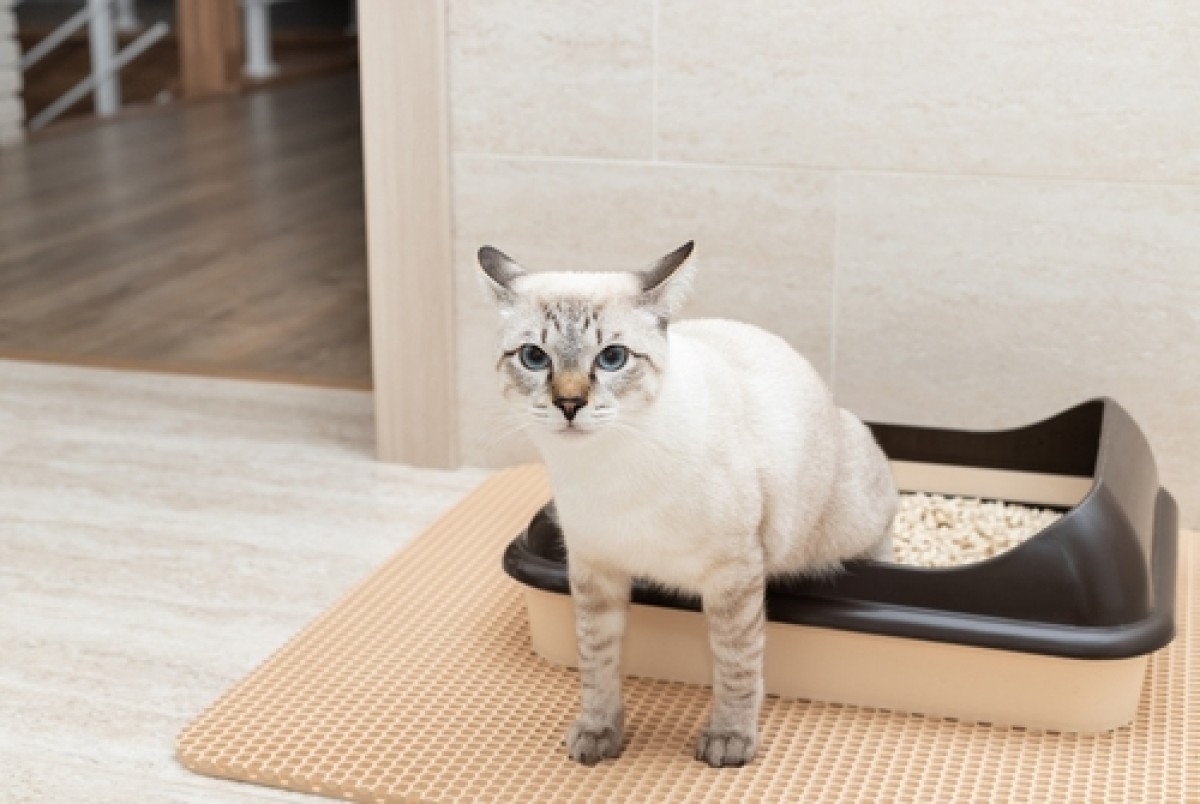

L’objectif était d’étudier les effets de l’exposition à la température ambiante sur les métabolites microbiens provenant d’échantillons fécaux félins.

Le métabolome fécal apporte des informations sur la santé gastro-intestinale et microbienne. Les méthodes de conservation des échantillons fécaux sont variables dans la science métabolomique, ce qui rend difficiles les comparaisons dans la littérature actuelle. Cette étude à explorer les effets de l’exposition à la température ambiante de métabolites microbiens provenant d’échantillons fécaux félins.

Des échantillons fécaux provenant de 11 chats sains ont été prélevés au sein d’une pension pour chats. Les échantillons ont été homogénéisés et répartis en partie aliquotes à la main. La première partie aliquote a été congelée à -80 °C dans l’heure suivant la défécation, les échantillons restants ont été exposés à la température ambiante pendant une durée de 2, 4, 6, 8, 12 et 24 heures avant d’être eux aussi congelés à -80 °C. Les métabolites fécaux ont été quantifiés à l’aide d’une spectroscopie à résonance magnétique nucléaire 1H. Cinquante (50) métabolites ont été regroupés en six catégories (27 acides aminés, 8 acides gras, 5 sucres, 3 alcools, 2 bases azotées, 5 divers).

Les résultats ont montré que les concentrations de 20 échantillons sur 50 avaient été significativement altérées à cause de leur exposition à la température ambiante (7 acides aminés, 6 acides gras, 2 alcools, 1 base azotée, 4 divers). Les changements détectés les plus précocement sont survenus 6 heures après la défécation, et concernaient la cadavérine et l’acide fumarique.

En conclusion, cette étude démontre qu’une exposition à la température ambiante altère la composition du métabolome fécal félin, mais qu’une exposition courte (jusqu’à 4 h) avant le stockage dans un congélateur semble être acceptable.

https://www.veterinary33.com/companion-animals/articles/1783/the-effects-of-ambient-temperature-exposure-on-feline-fecal-metabolome.html

J’aime0
Je n’aime pas0
  • Merci pour votre commentaire


Name *
Email address *
Comment *


* Required fields

Information on the processing of your personal data
We inform you that, in compliance with the provisions of current national and European regulations for the Protection of Personal Data and Services of the Information Society and Electronic Commerce, by sending us this form you are expressly giving your consent to Grupo Asís Biomedia , SL, (hereinafter, "ASIS GROUP") so that, as the person in charge, it may process your personal data in order to respond to your request for contact and information by electronic means.

Likewise, when you expressly consent, we will process your personal data to send you specialized information, newsletters, offers and exclusive promotions from GRUPO ASIS and related companies.

For the aforementioned purpose, GRUPO ASIS may transfer your data to other companies linked to GRUPO ASIS or to third party service providers for the management of electronic communications and other security services, even in cases where they are outside of the European Union, provided that they legally guarantee the adequate level of protection required by European regulations.

At any time you can withdraw the consent given and exercise the rights of access, rectification, deletion, portability of your data and limitation or opposition to its treatment by contacting GRUPO ASIS by sending an email to protecciondatos @ grupoasis.com, or by written communication to address at Centro Empresarial El Trovador, 8th floor, office I, Plaza Antonio Beltrán Martínez 1, 50002, Zaragoza (Spain), indicating in either case the Ref. Personal data and the right you exercise, as well as attaching a copy of your ID or replacement identification document.


I have read and accept the treatment of my data according to the informed purpose and according Legal notes and the Privacy Policy
I wish to receive commercial information from GRUPO ASIS and related companies


Plus d’actualités

Stabilisation des fractures du sacrum chez le chien et le chat

J’aime0
Je n’aime pas0

Evaluation d'un nouveau dosage sensible de l'hormone thyréostimulante comme test diagnostique des maladies thyroïdiennes chez le chat

J’aime0
Je n’aime pas0

Grippe aviaire A (H5N1) - Australie

J’aime0
Je n’aime pas0

Newsletter


À ne pas manquer

ÉVÉNEMENTS